
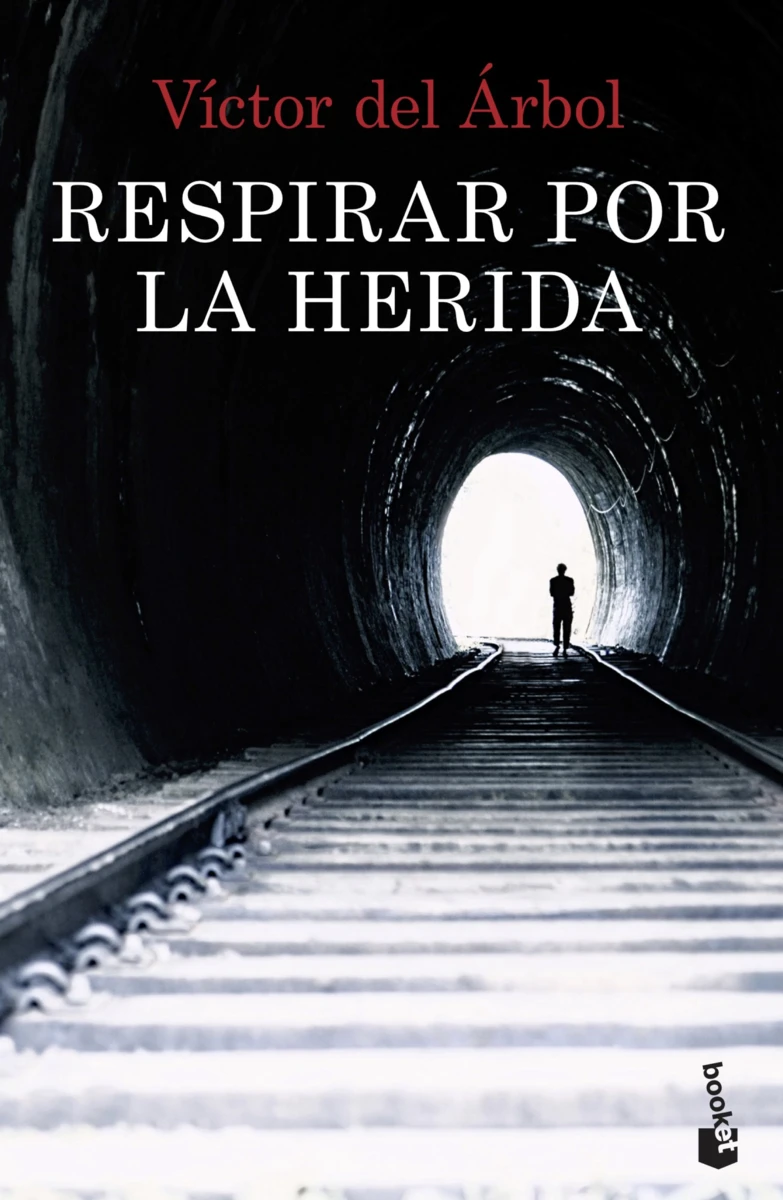
Marked by the death of his family, a painter accepts a disturbing commission: to portray the murderer of the son of a renowned cellist. Through art, he is forced to confront his guilt and to discover what survives of humanity after a crime.
Eduardo Quintana stopped living twelve years ago, when his wife and daughter died in a hit-and-run accident. Unable to come to terms with the loss, he decided to take justice into his own hands, which led him to prison. Upon regaining his freedom, he finds neither redemption nor solace: he survives amid alcohol, medication, and a minimal existence, painting commissioned portraits that bear little resemblance to the talent that once made him a promising figure in contemporary art.
Nothing seems to matter to him anymore—neither recognition nor the future—until he receives a commission as disturbing as it is impossible to refuse. Gloria Tagger, an internationally acclaimed cellist, asks him to paint the portrait of the man who murdered her son. She seeks neither justice nor revenge, but something more unsettling: to know who that man is after the crime, whether remorse exists, whether anything human remains on the other side of the irreversible act.
Accepting the job forces Eduardo to confront a wound that never healed. The process of creating the portrait becomes an obsessive and dangerous experience, in which the boundaries between victim and executioner begin to blur. As he delves into the other man’s gaze, he is compelled to question his own guilt, his need for punishment, and the very meaning of continuing to live.
Around Eduardo unfolds a mosaic of characters marked by loss and loneliness: an art dealer determined to rescue his talent; a filmmaker and a powerful executive trapped in their contradictions; a neighbor who refuses to grow old alone; a girl with severe difficulties communicating; and a criminal obsessed with the disappearance of his daughter. Their stories appear to move forward independently, but little by little they intertwine, revealing a web of invisible relationships where every gesture has consequences.
As the portrait progresses, Eduardo understands that there are no simple answers or possible consolations. Art, far from offering an escape, becomes a territory of risk: looking directly at another’s pain also means accepting one’s own. Gloria’s commission confronts him with an uncomfortable truth: some wounds do not close; they are only learned to be inhabited.
The Heart Tastes Bitter is a psychological thriller with a strong moral weight. A story about guilt, memory, and the limits of forgiveness, in which art functions both as mirror and as trap. It offers no easy redemptions or reassuring certainties, but rather poses an uncomfortable question: what do we do with pain when there is no one left to return it to?
RELEVANT DATA: The Heart Tastes Bitter is a great international success published in more than a dozen countries. Victor del Árbol is the great writer titled the Man of the Order of Arts and Letters (by the French Ministry of Culture) of the crime novel, and his style is highly acclaimed by critics and readers. It has even been said that his novels go beyond the classic codes of the thriller. Critics highlight “an incredibly constructed thriller that maintains suspense until the very last moment”. Some have even seen some intertextuality with Alfred Hitchcock’s Vertigo, and even with Edvard Munch’s painting The Scream.
Among his many distinctions, he has received the Nadal Award, the Tormo Negro of Crime Novels Award, the Quercy Noir Award, the Prix du Polar Européen for best noir novel, the Fernando Lara Award and the Tiflos of Novels Award.
Critics have said: “There is a Spanish author who can stand up to the Scandinavian crime novel: Víctor del Árbol”.
AUDIOVISUAL POTENTIAL: TV Series, Miniseries, Film, TV Movie.
LANGUAGES AVAILABLE: Spanish, English, French, Russian and Polish.
Adquirir los derechos
Para ponerte en contacto con nosotros completa el siguiente formulario y te responderemos en breve.
