
In Buenos Aires in 2001, two friends face a political and social crisis as their bond evolves through desire, memory, and the uncertain transition into adulthood. A profound and moving coming-of-age story with a political and realistic backdrop.
Argentina, 2001. Octavio and Lucas are two childhood friends and university students who tell their story through alternating voices. Octavio is the son of a torturer from the dictatorship—a father who was once loving, caring, and a role model, only to later be revealed as a monster. Since his father’s death, Octavio has surrendered to a nightly ritual of insomnia, trying to reconcile the two versions of the same man. His father’s legacy torments him, and the contradiction between the smiling child and the criminal adult becomes unbearable.
Lucas—cynical, seductive, irreverent, and reluctant to commit—is the opposite of Octavio, who, since learning the truth about his father, leaves no room for humor. They share a school past, a passion for cinema, and an adult coexistence marked by ideological differences, jealousy, and ambiguous affections.
Octavio struggles to overcome the cursed inheritance of his father, condemned for crimes against humanity, as well as the suicide of his mother. He channels his anguish through political activism, the study of law, and his love for Julia, an introspective young woman whose sadness deepens as the story unfolds. Lucas, meanwhile, observes the world with a mix of irony and narcissism: he takes refuge in his marijuana cultivation, his role as an omnipresent narrator, and increasingly complex romantic entanglements, such as his relationship with Isabel, a young domestic worker who is intelligent yet vulnerable.
Octavio’s house—shared with his grandmother Lala, a loving and lucid figure—becomes a space where personal and collective stories converge. There, Lucas discovers a box containing files on women who were detained and disappeared during Argentine dictatorship. One of them, Magalí Almeida Castro, has the same face as Julia. The discovery leaves him stunned. His worldview—until then centered on pleasure, irony, and comfort—begins to falter as he confronts the direct connection between the dictatorship, the risk, and the courage of the woman in the photograph, who was disappeared for her political activity and had her daughter taken from her. That daughter is now sitting in Lucas’s living room.
One night, with Octavio out of the house, Lucas sees the perfect opportunity to grow closer to Julia in the intimacy of a shared film. Between laughter and complicit silences, he confirms—without her knowing—his suspicions about her true identity. But the mix of tenderness and the weight of the secret drives him to flee into the Buenos Aires night, seeking to numb his mind in a brothel. The following morning, having decided to break the silence, he places photographs of Magalí on the table in front of Lala. Recognition is immediate and overwhelming: Lala, with cold determination, takes control and activates key contacts to restore Julia’s true identity.
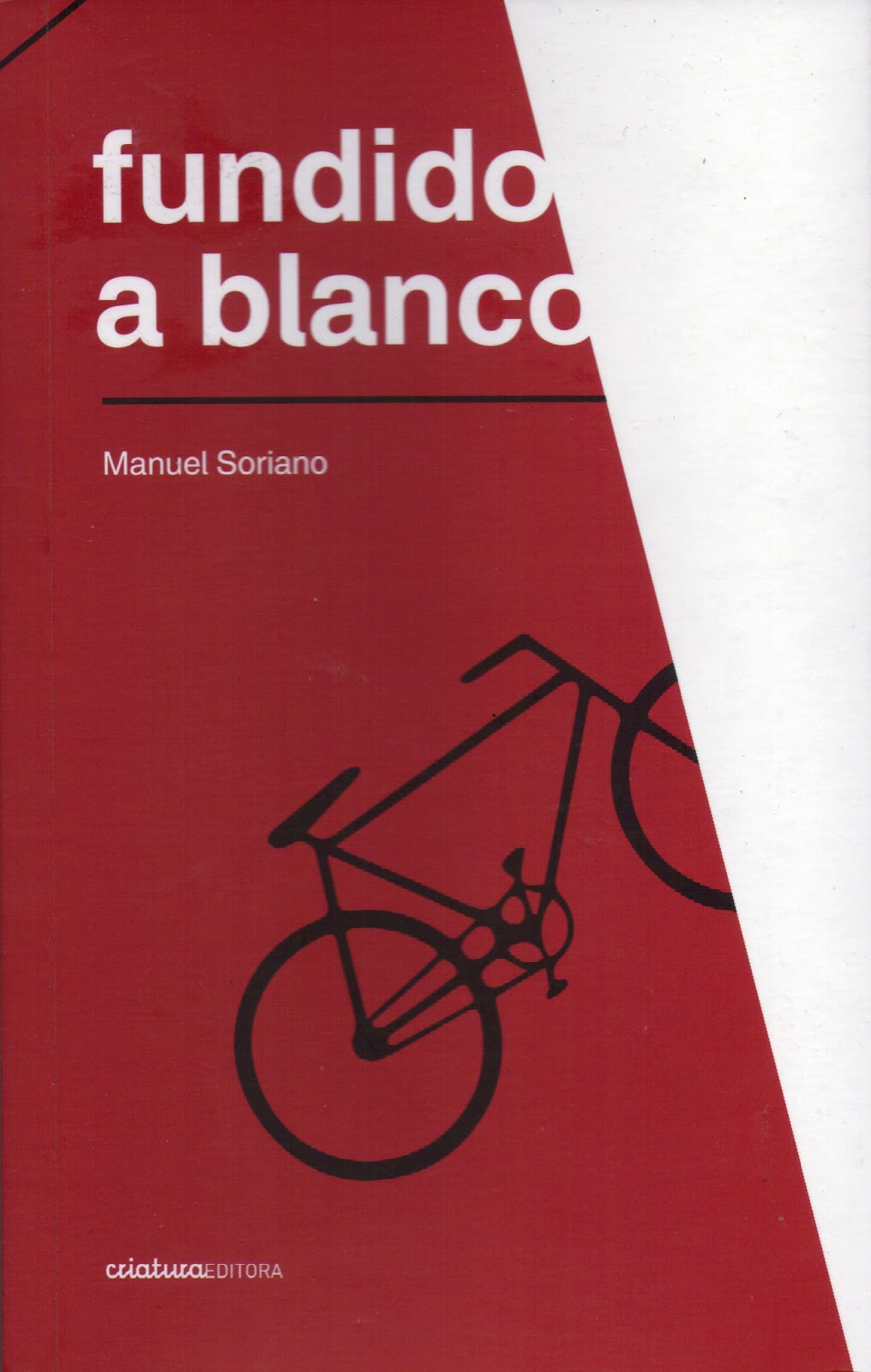
Amid the social upheaval of December 2001, during the “corralito,” Lucas and Octavio march together—Lucas now convinced of the importance of social struggle, and Octavio guided by the principles that have long driven him. By accident, Lucas becomes an international symbol of the protests after witnessing the murder of a fellow demonstrator. Octavio disappears in the chaos. The novel ends with Lucas cycling through a broken city, searching for his friend, suspended between loss, the desire for redemption, and hope for a new political future.
RELEVANT INFORMATION: Manuel Soriano is an Argentine writer and screenwriter, author of several books. He is the recipient of the Clarín Prize (2015).
Fade to White is a powerful novel about the weight of history, male friendship, family secrets, and political awakening in Argentina in 2001. It is both an intimate and collective story—a political, emotional, and generational coming-of-age that connects the horrors of the past with the dilemmas of the present, all infused with remarkable tenderness and humor.
AUDIOVISUAL POTENTIAL: TV Series, Miniseries, Film, TV Film.
AVAILABLE LANGUAGES: Spanish.
Adquirir los derechos
Para ponerte en contacto con nosotros completa el siguiente formulario y te responderemos en breve.
