
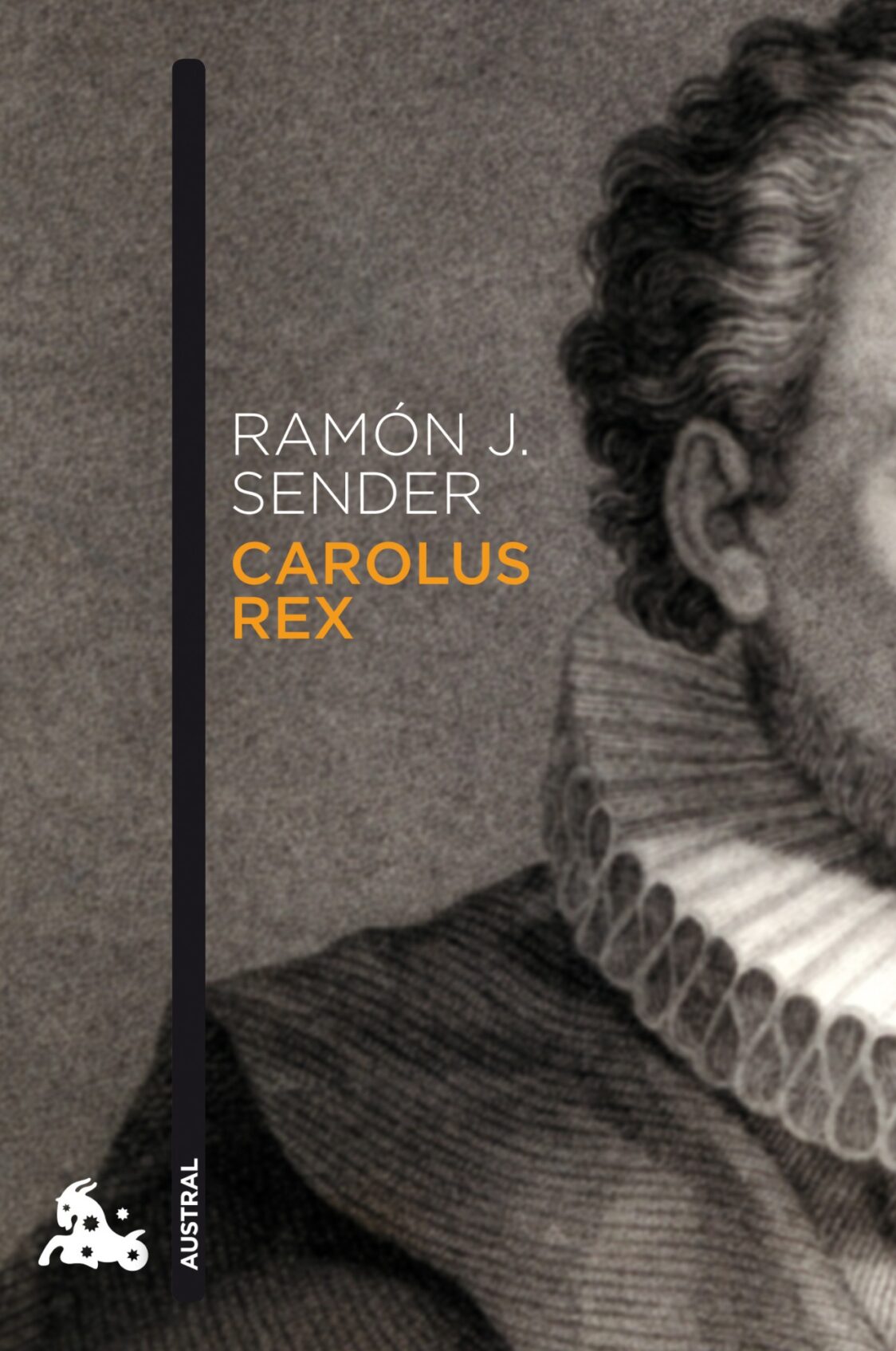
In 17th-century Spain, King Charles II —known as The Bewitched— and his wife, Marie Louise of Orléans, see their marriage consumed by obsession, superstition, and court intrigue, foreshadowing the collapse of an empire.
In the late 17th century, Spain is in decline, and its future rests in the hands of a frail and troubled king obsessed with securing an heir. Charles II, physically weak and mentally fragile, sees marriage as his only path to preserving the dynasty. His half-brother, Don Juan José of Austria, attempts to block the union in order to protect his own ambitions for the throne, but fails when the young king falls in love with a portrait of Marie Louise of Orléans, niece of Louis XIV of France.
After difficult negotiations, the marriage is arranged, bringing the French princess into a court dominated by conspiracy and factional rivalries. From the moment she arrives, Marie Louise discovers that beneath the splendor lies a prison. Suffocating court protocol and the constant surveillance of the Duchess of Terranova leave her trapped in a world she neither understands nor controls. Their wedding, celebrated in the Burgos village of Quintanapalla, marks the beginning of an unequal marriage: Charles adores his wife with an increasingly unhealthy obsession, while Marie Louise resigns herself to enduring his possessiveness.
The failure to produce an heir soon fuels conflict. Rumors of witchcraft spread throughout the kingdom, the court becomes divided between French and Austrian factions, and the king descends into ever more extreme delusions. Anonymous letters, suspicious incidents, and scenes of paranoia expose the fragility of the royal marriage, while Spain itself suffers from hunger, economic hardship, and institutional corruption.
Religious authorities intensify the climate of fear through public autos-da-fé, transformed into mass spectacles in which Charles himself lights the pyres before his subjects. Behind this macabre theater, however, the Inquisition conceals even darker realities: clandestine palaces where young women are imprisoned, abused, and threatened with torture and death. The testimony of a survivor exposes a system of institutionalized horror that reinforces the image of a nation rotting from within.
Desperate over his inability to father a child, Charles increasingly turns to superstition. At one point, he kisses the corpse of his father at El Escorial in the belief that it might restore his fertility. He also submits to a public exorcism organized by his mother. Conducted amid political and religious turmoil, the ritual becomes a theatrical event of ridicule, fear, and fanaticism. Surrounded by prayers, sarcasm, and supposed demonic trances, the king ultimately declares himself “obsessed” rather than possessed. Convinced he has been cured, he rushes to reunite with his wife while the divided court briefly breathes a sigh of relief.
A marriage consumed by obsession, a court poisoned by intrigue, and an empire on the brink of collapse: this is the story of a king who confused power with superstition and transformed his personal tragedy into a reflection of an entire nation’s decline.
RELEVANT INFORMATION: Ramón J. Sender was not only a journalist but also one of the most important Spanish writers of the 20th century, winner of the National Prize for Literature in 1935. Exiled after the Spanish Civil War, he spent most of his life in Mexico and the United States.
The reign of Charles II, as portrayed in Carolus Rex, offers extraordinary dramatic and visual potential. The life of the last Habsburg monarch of Spain becomes a vibrant narrative filled with political conspiracy, personal obsession, and collective superstition. While Charles II has appeared in documentaries and historical dramatizations, this work offers a distinctive perspective: his personal fixation with succession becomes a powerful metaphor for the decay of an empire.
More than a simple biography, the novel presents a sharp and often ironic examination of the intersection between political power, religion, and superstition. It functions simultaneously as a court intrigue thriller, a psychological portrait of a king trapped by his own body and fears, and a critique of religious fanaticism that remains relevant today. Its blend of historical spectacle and intimate tragedy evokes acclaimed productions such as The Crown, Versailles, and The Tudors.
AUDIOVISUAL POTENTIAL: TV Series, Miniseries, Film, TV Movie
AVAILABLE LANGUAGES: Spanish.
Adquirir los derechos
Para ponerte en contacto con nosotros completa el siguiente formulario y te responderemos en breve.
