
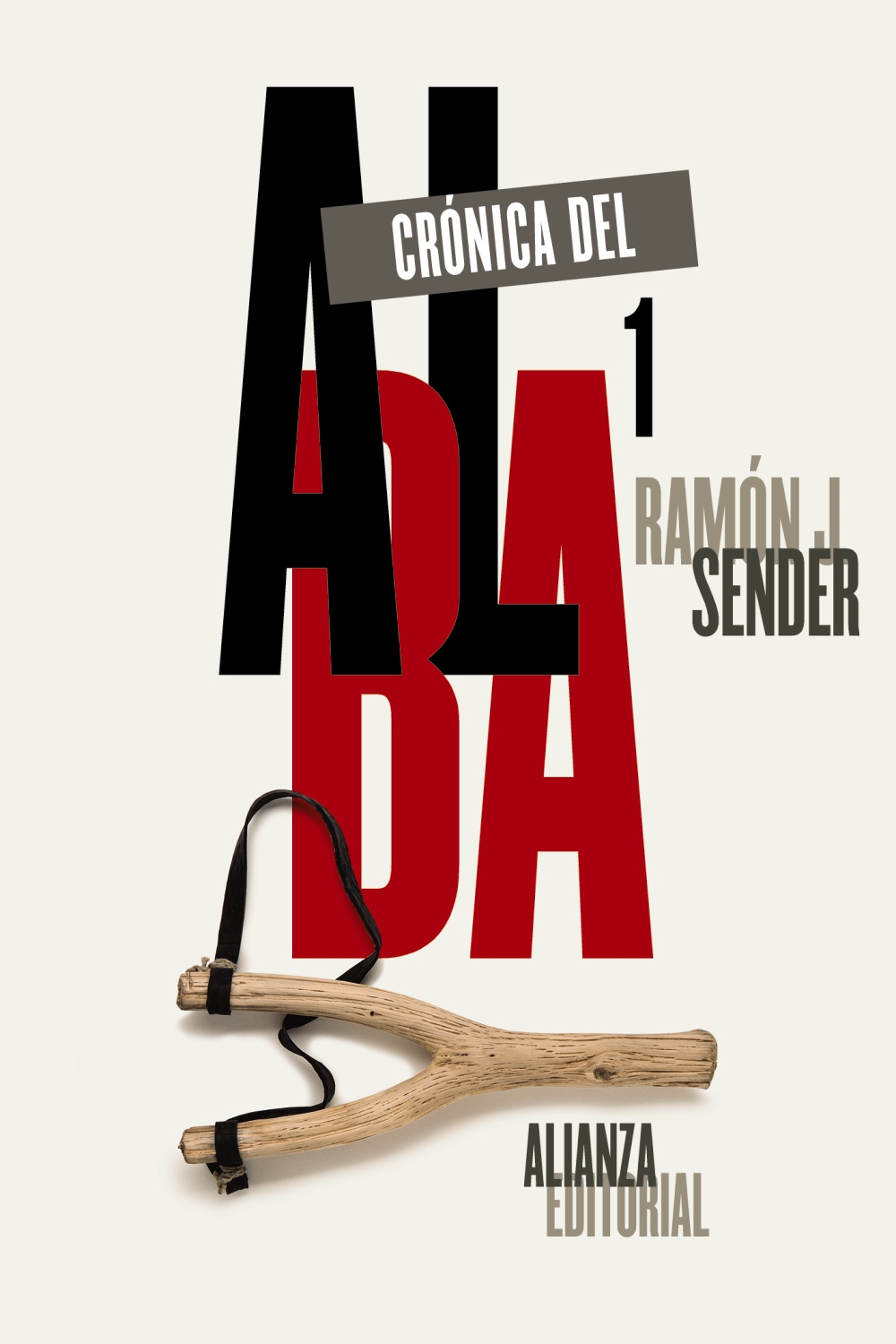
An imaginative and rebellious boy from Aragón experiences his first and all-consuming love for Valentina while forging his identity between innocence and passion, determined to resist the passage of time through the power of memory.
The story begins in the Argelès concentration camp in France, where Pepe Garcés, a defeated Republican officer after the Spanish Civil War, writes his memoirs while awaiting death. Through these memories, he revisits his childhood and youth in early 20th-century Aragón, years shaped by the discovery of love, rebellion against authority, and the awakening of his intellectual vocation.
From a young age, Pepe is sensitive, imaginative, and stubborn. His life revolves around Valentina, the daughter of Don Arturo, the town’s notary, with whom he experiences an innocent yet absolute romance. They communicate through poems and secret messages, living a childhood love with the intensity of adults. Opposition from Valentina’s father and the rigidity of Pepe’s own family transform that love into both a refuge and a source of rebellion. At the same time, Pepe leads childhood games and mock wars imbued with epic overtones, strengthening his reputation as a fearless boy.
His education introduces him to influential figures such as Mosén Joaquín, his melancholic mentor, while also placing him in conflict with his stern father. After excelling in examinations in Zaragoza, Pepe comes to see himself as the “lord of love and knowledge,” convinced that he is destined for something extraordinary. A summer spent at Sancho Garcés Castle opens the door to adventure and imagination: legends, secret passageways, archaeological discoveries, and heroic fantasies. Guided by ideals of sainthood, poetry, and heroism, he undertakes daring challenges that culminate in Valentina rescuing him from the depths of the castle, cementing their bond.
His years at a religious boarding school in Reus mark his transition into adolescence. Amid strict discipline and rigid hierarchies, Pepe finds a true mentor in a lay brother who introduces him to spiritual and artistic values, as well as the concept of the “liquid soul”: the ability to understand others through empathy and humility. Rehearsals and performances of Calderón’s Life Is a Dream deepen his understanding that life should be lived as though it were a dream itself. The lay brother also gifts Pepe a marble bust of his own creation, which Pepe vows to place in a worthy setting. Through passionate letters to Valentina, philosophical debates, and youthful mischief, Pepe gradually confronts desire, vanity, and intellectual awakening.
In Zaragoza, a more modern world emerges: cinemas, cafés, crowded streets, financial hardship at home, and new loyalties, including his friendship with Felipe Biescas. It is there that Pepe discovers Quinta Julieta, a romantic private garden filled with boxwood avenues, a circular lake, and decorative ceramic frogs. Managed by a stern owner and a taciturn gardener named Juan, the garden hides darker undertones. A local legend tells of a child drowned in the pond, and conflict brews between Monflorite, a nursery worker, and Pascual, a violent laborer.
Pepe decides to enthrone the lay brother’s marble bust on a column rising from the lake. Naming it “Byzantium,” he transforms it into a symbol of his love and his belief in beauty. He secures permission, convinces Juan, and carries out the plan.
His romance with Valentina thrives on ingenuity and risk: coded letters, carrier pigeons that sometimes fall into the hands of Don Arturo and even local authorities, and a joyful reunion during Zaragoza’s Pilar festivities, marked by awkward kisses and renewed promises. Together they visit Quinta Julieta, where Juan insists that plants can “hear” and flourish where human memories linger. Pepe photographs Byzantium to send the image to the lay brother in Reus.
As autumn arrives and the gardens empty, the pigeons continue crossing the sky. The marble bust, illuminated by the reflection of the lake, becomes for Pepe a permanent symbol of his destiny: to love, to remember, and to endure.
RELEVANT INFORMATION: Ramón J. Sender was not only a journalist but also one of the most important Spanish writers of the 20th century, awarded the Spanish National Prize for Literature in 1935. Exiled after the Spanish Civil War, he spent most of his life in Mexico and the United States.
The first installment of the Chronicle of Dawn trilogy combines intimate memory, nostalgia, and a powerful generational perspective, transforming the protagonist’s childhood and adolescence into a coming-of-age journey shaped by love, rebellion, and the tension between tradition and modernity. At the same time, it paints a vivid portrait of Spain in the early 20th century.
Its audiovisual potential is considerable, offering the emotional resonance of a coming-of-age drama enriched by a rich historical context. The story blends youthful romance, personal discovery, and the loss of innocence, making it an ideal adaptation for audiences drawn to literary, emotionally driven period dramas.
AUDIOVISUAL POTENTIAL: TV Series, Miniseries, Film, TV Movie
AVAILABLE LANGUAGES: Spanish, Italian.
Adquirir los derechos
Para ponerte en contacto con nosotros completa el siguiente formulario y te responderemos en breve.
