
In the harsh reality of an Argentine women’s prison, a group of inmates finds an unexpected path to redemption when a teacher decides to create the facility’s first rugby team. These women rediscover their strength, identity, and freedom on the field, transforming themselves into a team capable of challenging the system and rewriting their destiny.
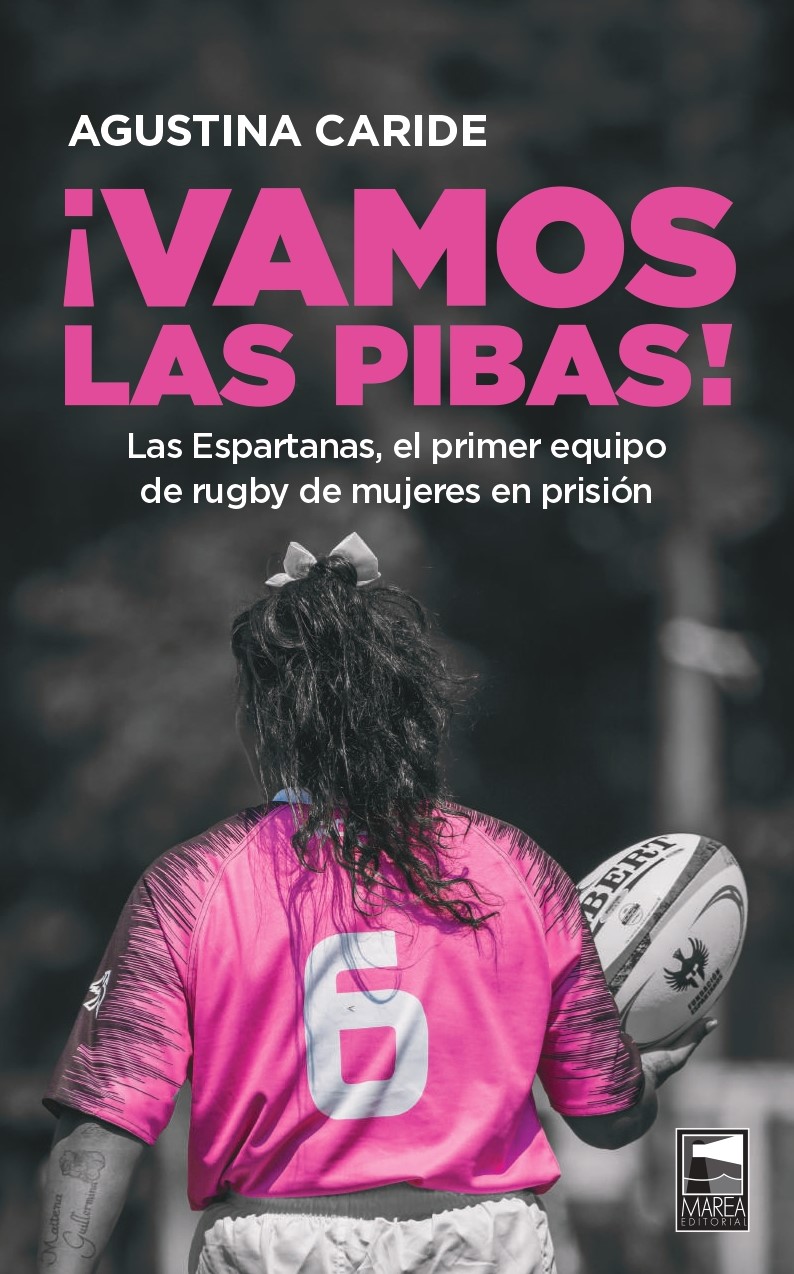
In the women’s prison of San Martín, Argentina, a group of inmates marked by violence, poverty, and abandonment discovers something unexpected: through their bond with others, they can reclaim dignity and build a collective strength capable of altering a destiny that once seemed sealed. This is the true story of how rugby became a tool for transformation for women whom the penitentiary system had pushed to the margins.
Carolina Tolosa, a physical education teacher, arrives at Unit 47 driven by a conviction as simple as it is disruptive: where there is pain, there is also potential. Her proposal—to form the first women’s rugby team in a prison—initially seems unthinkable to the institution. Yet that gesture sets in motion a process the prison did not know it needed.
The story unfolds through the lives of five inmates—Gisela, Jessica, Paula, Sandra, and Caty—who embody the tensions of everyday confinement. Their personal trajectories reveal a world shaped by abuse, violent hierarchies, and a regime that degrades and punishes. In this hostile environment, rugby begins to open up a different space, still fragile, but possible.
Life in the cellblock is dominated by la Chile, a leader who maintains her power through fear and discipline. Tensions build and erupt in fights, humiliations, and riots. When Caty, Paula, and Sandra decide to neutralize her with sedative pills, they not only disrupt the internal order: this rupture marks the first concrete gesture of a deeper transformation, allowing the team to emerge as a territory of respect, camaraderie, and a rehearsal of freedom.
As training progresses, Carolina acts as a mediator with prison authorities. She insists, negotiates, and confronts resistance until she achieves what once seemed impossible: organizing a friendly match outside the prison for International Women’s Day. A violent search threatens to cancel the outing, but in the end the inmates cross the gates. Outside, the reunion with their families and the match seal the change: on the field, beyond uniforms or pasts, the Espartanas are strong, free, and protagonists of their own story.
A chronicle of collective overcoming in which sport becomes a tool of identity, resistance, and hope in the most unexpected place.
RELEVANT FACTS: Agustina Caride is an Argentine writer, literary critic, proofreader, and cultural manager. She has published more than a dozen books and won the First Prize in the Soy Autor competition and the Clarín Novel Prize. She currently works as a proofreader, teaches writing and reading workshops and seminars, and coordinates literary events.
¡Vamos las pibas! is based on the real-life experience of the Espartanos Foundation and addresses issues such as gender violence, inequality, and sorority, proposing sport as a path toward repair and collective reconstruction. Through the intertwined stories of the inmates and Carolina’s persistent drive, the narrative exposes deep social tensions while rugby emerges as a language of resistance, identity, and hope.
The work has strong audiovisual potential: it combines highly intense visual settings, dramatic conflicts, powerful character arcs, and an emotional crescendo that culminates in the match outside the prison, shaping a true story with the force of both human and sports drama.
AUDIOVISUAL POTENTIAL: TV series, Miniseries, Feature film, TV film.
AVAILABLE LANGUAGES: Spanish.
Adquirir los derechos
Para ponerte en contacto con nosotros completa el siguiente formulario y te responderemos en breve.
