
In the early 2000s, in a small village in Spain’s depopulated countryside, a twelve-year-old boy who spends his afternoons dancing in front of the television decides to audition for Fama ¡a bailar!, turning an ordinary summer into the most important one of his childhood. A tender and funny story written by one of the most promising new voices in Spanish literature.
In the yard of a house on the outskirts of a small rural village in Zamora, in the early 2000s, a twelve-year-old boy slips two cans of Coca-Cola onto his feet and dances in front of the television. As he watches the popular TV show Fama ¡a bailar!, Nico reproduces the choreography step by step, with enthusiasm, focus, and boundless excitement.
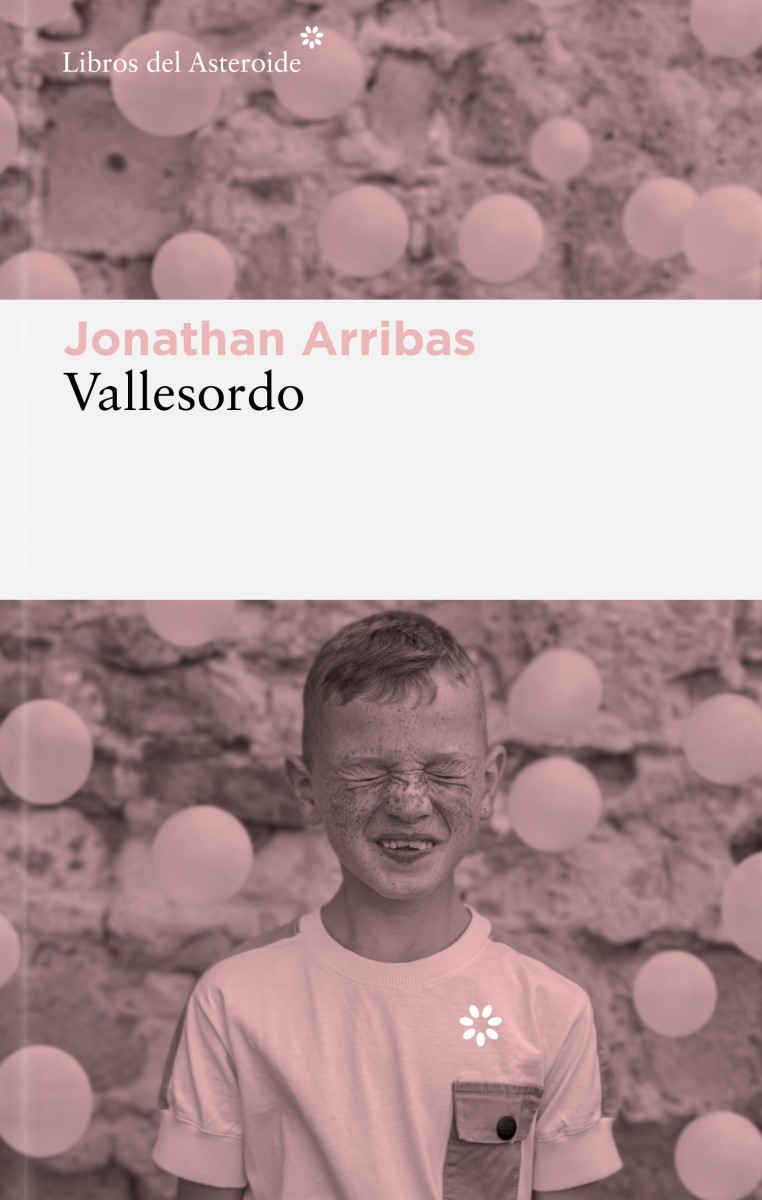
Nico is an eleven-year-old red-haired boy who lives with his family in the village of Vallesordo, where life moves slowly and everyone knows each other. His mother carries a constant exhaustion, and his father, devoted to farm work, is distant and emotionally reserved. In the face of this everyday lack of attention, Nico finds support and care in his grandmother, who protects him with humor and tenderness; in his aunt Justi, warm and understanding; and in La Yesi, his little dog, always present in his daily life.
That summer, friendship plays a central role in his life. Afternoons with his friends in the square and out in the fields, games, small adventures, shared secrets, arguments, and reconciliations create a constant space of complicity. With them, Nico feels accompanied and supported as he grows.
Every afternoon, Nico returns home to dance again and again. His favorite show fuels his vocation. When he discovers that a children’s casting will take place the following year, that enthusiasm turns into a concrete goal. Reaching it becomes the driving force of the summer. But as the date approaches, complications arise: no one seems to take his dream entirely seriously, and no one wants to take him. Nico gets angry, frustrated, and doubtful, but he does not give up. Little by little, he learns that insisting is also part of growing up.
In the end, Nico stops waiting and looks for help on his own. He finds it in his aunt Justi, who understands the importance of that desire and agrees to go with him. Thanks to her, Nico reaches the Fama ¡a bailar! casting and dances in front of others for the first time. He does not make it to the next round, but he achieves something essential: getting there.
In the epilogue, two years later, life is still imperfect. His parents have separated, but Nico attends a dance academy every afternoon, keeps his friendships with the kids from the village, and continues dancing with the same perseverance. The dream has not fully come true, but it is still alive.
RELEVANT INFORMATION: Jonathan Arribas is a young Spanish writer who trained at the Fundación Antonio Gala. With his debut novel, Vallesordo, he creates a tender and luminous portrait of childhood in a small rural village through the voice of an eleven-year-old boy with boundless charisma and imagination.
The book blends friendship, creativity, music, and nostalgia with a warm and hopeful tone, offering a sensitive perspective on freedom, diversity, and personal identity. An accessible, moving story, perfect for a family audience. Somewhere between Billy Elliot and Little Miss Sunshine.
What the press and critics say:
“Jonathan owes me several hours of sleep. I opened Vallesordo at midnight and watched the sun come up through the window. It is so beautiful I almost felt guilty underlining it. In love with Nico! How tender and noble he is. What a precious book.” — David Uclés
“Impossible not to fall in love with this child, such a fan of Fama ¡a bailar!, who tells us his story dancing (in the absence of high heels) balanced on Coca-Cola cans.” — Berta García Faet
“Spinner, batuka step, and bumbumplac: Jonathan Arribas’s first ‘dance,’ a writer full of talent and sensitivity. […] Arribas achieves the hardest thing of all: finding a credible and endearing child’s voice.” — laSexta
“This novel really is a small treasure—delicate, brief. A story that makes you laugh and makes you cry, and what more can you ask of a novel?” — Marta del Riego, Zenda
AUDIOVISUAL POTENTIAL: TV Series, Miniseries, Feature Film, TV Film.
AVAILABLE LANGUAGES: Spanish.
Adquirir los derechos
Para ponerte en contacto con nosotros completa el siguiente formulario y te responderemos en breve.
