
Obsessed with a married woman he meets while dancing tango, a washed-up actor adopts a false identity to gain her husband’s trust and get closer to her. But the deeper he becomes entangled in the couple’s private life, the more trapped he is in a twisted psychological game of lies, obsession, and betrayal from which no one will emerge unscathed.
Víctor Senent, a washed-up actor, lives alone after his wife left him and moved to the United States with their son. His only escape comes on Wednesday nights at Red Kisses, an old neighborhood dance hall where his friend Waldo hosts a tango milonga. There, far from the failures that haunt him, he feels admired, confident, and capable of being someone again.
Until the night Elsa Serrano appears.
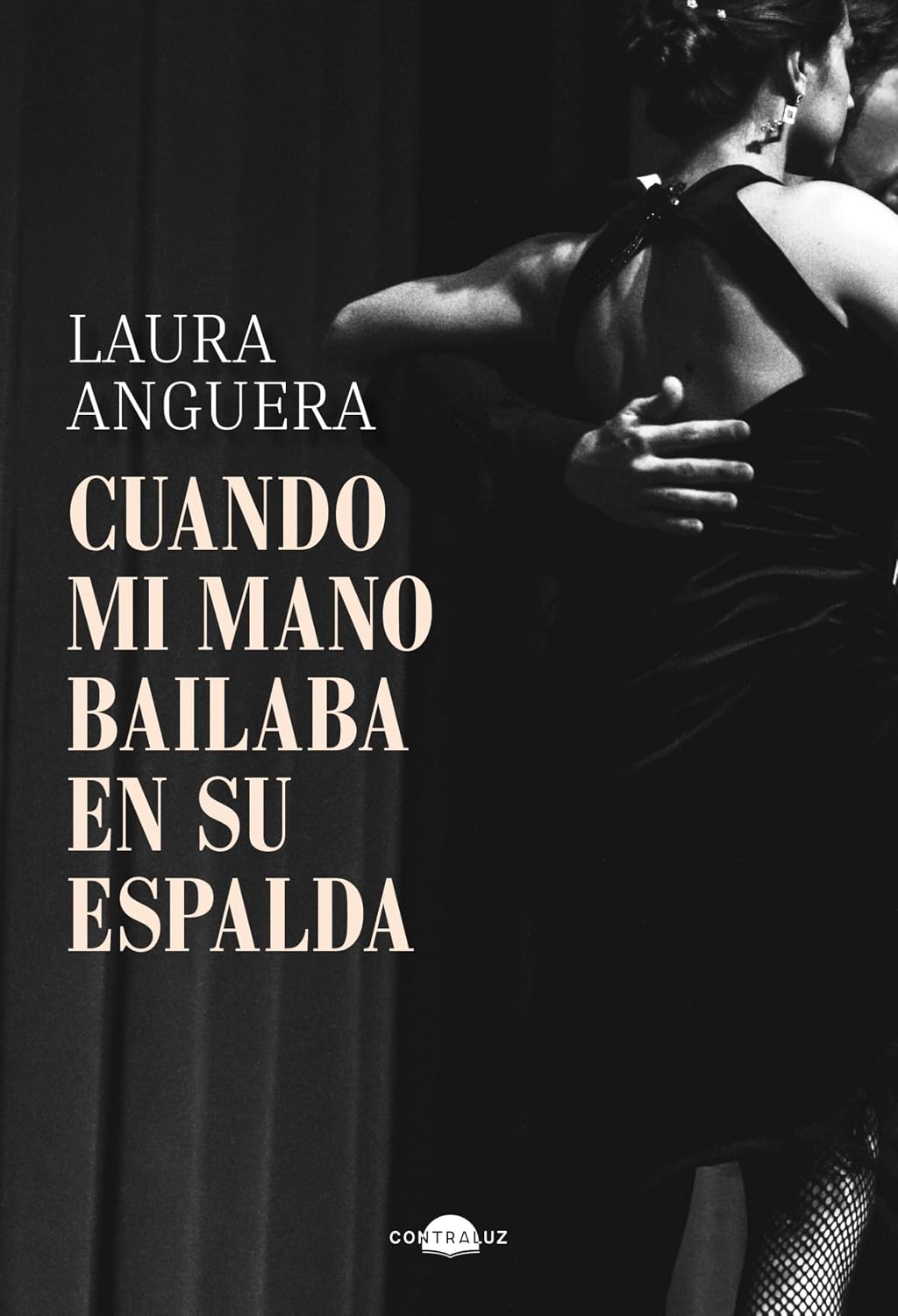
Dressed in black, her back exposed, Elsa captivates Víctor from their very first embrace. They dance together for several tandas, and the connection between them is immediate. When he tries to kiss her, she rejects him because she is married. Yet Víctor cannot get her out of his mind. He begins following her, observing her routines, and fantasizing about a life together.
Elsa is equally affected by their encounter. However, she lives in a troubled marriage with Félix, a renowned architect who lost both arms in an accident. Their relationship has become defined by dependency, resentment, and a sadness that has weighed on them for years. Only when she dances with Víctor does she feel alive, desired, and free once more.
Obsessed with Elsa, Víctor decides to enter her world. To do so, he invents a false identity: Carlos Gavito, a supposed war correspondent scarred by the conflicts he has covered and his own personal demons. Through this fabricated persona, he earns Félix’s trust. What begins as a strategy to learn more about Elsa gradually evolves into something far more complicated. Day after day, Víctor and Félix go running together, discuss their failures, wounds, and shattered dreams, and develop a friendship that feels genuine despite being founded on a lie.
Félix, however, suspects from the very beginning that Gavito is not who he claims to be. Financially ruined, trapped in a life he can no longer bear, and convinced he no longer wants to live, he begins crafting a plan. Because his life insurance policy does not cover suicide, he needs his death to appear as a murder so that Elsa can collect the payout and rebuild her life. When he eventually discovers that Gavito is the same man who dances tango with his wife, he realizes that the stranger he intended to use as a pawn is also the lover he has long suspected. His plan takes on a new dimension. It is no longer only about dying. It is about turning Víctor into the perfect culprit.
Félix first proposes that Gavito kill him and stage the crime as a robbery, but Víctor refuses. Undeterred, Félix devises another plan and persuades Elsa to participate. Exhausted by his life, determined to die, and convinced that insurance money is the only way to secure Elsa’s future, he insists it is the only solution. Elsa resists, but eventually agrees, believing Félix will take his own life regardless of her decision.
In the end, she mixes rat poison into a protein shake that Víctor himself had given Félix days earlier. After drinking it, Félix dies, leaving behind a carefully orchestrated scene that points directly to Víctor. The false identities, the lies, the obsessive surveillance, the secret meetings, the photographs Víctor kept of Elsa, and even the poisoned drink all become pieces of evidence against him.
The police arrest Víctor.
During the investigation and the trial, every piece of the puzzle seems to confirm his guilt. Elsa, meanwhile, chooses to uphold the version of events Félix intended. She denies any romantic involvement with Víctor and portrays him as a delusional stalker obsessed with her. With no evidence capable of dismantling the official narrative, Víctor is convicted.
While Elsa collects the insurance money, sells the house, and moves on with her life, Víctor is sent to prison. There, he realizes just how much he has lost: the chance to reconnect with his son, the acting career he was slowly rebuilding, and the future he dreamed of sharing with Elsa.
All he has left are memories of their tangos and of a woman whose hand he never managed to hold onto.
In his prison cell, he begins writing melancholy poems, lyrics that seem destined to become tangos, as though his entire story had been nothing more than a long embrace in motion, one that ultimately led him, ironically, to his own downfall.
RELEVANT INFORMATION: Laura Anguera is a Spanish writer and lawyer. When My Hand Danced on Her Back is her third novel, a work that combines psychological thriller and romantic drama to explore obsession, desire, and emotional manipulation.
Its audiovisual potential is significant. The intricate game of false identities, secrets, and deception creates a steadily escalating narrative tension, while its morally ambiguous characters and devastating ending provide the foundations for a gripping adaptation rich in suspense and emotional intensity.
AUDIOVISUAL POTENTIAL: TV Series, Limited Series, Feature Film, TV Movie.
AVAILABLE LANGUAGES: Spanish.
Adquirir los derechos
Para ponerte en contacto con nosotros completa el siguiente formulario y te responderemos en breve.
