
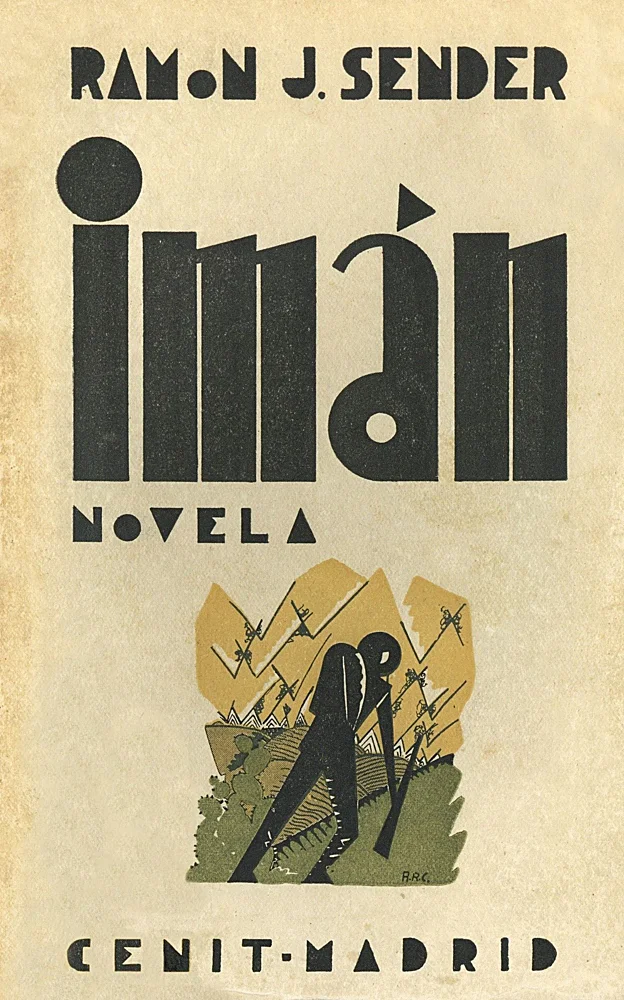
A young Spanish soldier is swept into the Rif War and forced to survive the Disaster of Annual, confronting the brutality of combat and the existential emptiness of returning to a homeland that scorns him.
Viance, a young man from Aragón known by the nickname “Imán” (“Magnet”) because misfortune seems to follow him wherever he goes, is unable to escape compulsory military service and is sent to the Rif region of North Africa. There, he experiences firsthand the horrors and hardships of war. Alongside his fellow soldiers, he endures a relentless climate and the constant threat of enemy attacks. From the outset, a sense of doom hangs over camp life: veterans returning from advanced positions come back battered and broken, foreshadowing the catastrophe to come.
Before long, Viance joins a military column tasked with reinforcing a remote blocao—Position R—under siege by Rifian forces. The isolated outpost survives under extreme conditions, with almost no water or ammunition. Thirsty, wounded, and desperate soldiers struggle to hold the line as morale collapses. Eventually, the fortress falls after savage assaults, leaving Viance among the few survivors who manage to escape.
A chaotic retreat across the Rif toward Melilla, Spain’s last stronghold on the coast, follows. One military position after another falls, and entire garrisons are mercilessly massacred. During the desperate flight, Viance witnesses both extraordinary acts of courage and the unimaginable cruelty of war: mutilated comrades, soldiers driven mad by terror, and summary executions carried out before his eyes. On one freezing night, he hides inside the carcass of a dead horse to stay alive—an image so horrifying that it will haunt him forever.
Physically and emotionally shattered, Viance finally reaches Melilla with a handful of survivors. There, the Spanish army regroups and, reinforced by troops arriving from the mainland, launches an offensive months later to recover lost territory. Unable to secure his discharge, Viance is forced to continue fighting. He returns to landscapes of devastation, advancing through ruins and fields strewn with corpses. Although the army now enjoys greater military superiority and is driven by a thirst for revenge, for Viance this new campaign is merely an extension of the same nightmare. Every battle reopens old wounds, and each “pacified” village reminds him of the terrible cost of war.
After years of service and suffering, Viance is finally discharged and returns to his hometown. Yet instead of finding comfort, he encounters misunderstanding and hostility. Far from honoring the sacrifice of the survivors, society treats them with contempt, insulting them and branding them cowards and failures. Viance comes home transformed into a shadow of the boy who left. Unable to adapt to civilian life, he feels disconnected from the world around him and unable to find meaning in the peace he once longed for. Consumed by despair, he is left to confront the existential void that war has carved into his soul.
RELEVANT INFORMATION: Ramón J. Sender was not only a journalist but also one of the most important Spanish writers of the 20th century, winning the National Prize for Literature in 1935. Exiled after the Spanish Civil War, he spent much of his life in Mexico and the United States.
Imán is a powerful portrait of both individual and collective tragedy set against the backdrop of the Rif War and the Disaster of Annual. The novel combines military action and relentless tension with a deeply human perspective on the degradation caused by war. Its characters serve as representatives of an entire generation sacrificed in the colonial conflict.
From an audiovisual perspective, the story has extraordinary potential. It combines the intensity of a wartime survival narrative with a stark realism reminiscent of 1917 and Come and See, while its psychological exploration of trauma evokes classics such as The Deer Hunter and All Quiet on the Western Front. The result is a harrowing, emotionally resonant war drama that examines not only the battlefield, but also the lasting scars left on those who survive it.
AUDIOVISUAL POTENTIAL: TV Series, Miniseries, Film, TV Movie
AVAILABLE LANGUAGES: Spanish, English.
Adquirir los derechos
Para ponerte en contacto con nosotros completa el siguiente formulario y te responderemos en breve.
