
As a toxic cloud advances across Europe, four friends drive through Spain in search of refuge. Along empty highways and strained bonds, old wounds and shared secrets resurface, forcing them to confront one another—and the versions of themselves they can no longer sustain.
An invisible, odorless toxic cloud begins moving across Europe. No one knows for certain what effects it will have, but an app tracks its path in real time, and thousands of people compulsively follow it on their phones, as if it were a weather phenomenon or an apocalyptic alert. News reports are contradictory, panic spreads quickly, and the country enters a state of collective shock: empty supermarkets, jammed highways, farewell messages, people fleeing without a clear plan.
In that context, four friends decide to leave Barcelona by car and head to a rural house in Galicia, supposedly a safe zone. Jana, the narrator, has just survived a serious accident that left her temporarily lame and emotionally disoriented; she wants to become a writer and remains emotionally dependent on her cousin Florencia. Flor drives: an Argentine tattoo artist and painter, former addict, impulsive and brilliant, marked by a toxic relationship with her mother and a constant tendency toward self-sabotage. Rocío tries to act as the group’s functional adult while navigating her own reinvention after coming out and leaving behind a life that no longer represents her. Sara, Chilean, mystical and undocumented, is undergoing a spiritual crisis at the same time her boyfriend flees the country, leaving her stranded in Spain.
The journey becomes an emotional road trip where the external threat coexists with intimate conflicts. They make several stops: at a half-empty hypermarket they realize order has collapsed; at a gas station they pick up an abandoned elderly woman; at a roadside bar they attempt to relax while the television broadcasts increasingly alarming news. In a motel, Flor steals some mushrooms and embarks alone on a psychedelic trip that reconnects her with her inner child and with art as a possible path to redemption. Shortly afterward, overwhelmed by messages from her mother and fear of the cloud, she nearly causes a serious accident, forcing Rocío to take the wheel. Along the way, memories and grievances surface, old dependencies and broken emotional pacts: the country’s collapse runs parallel to the collapse of the group.
When they reach Galicia, they discover the rural house is not the promised refuge: it is half in ruins and already occupied by a stranger who has also rented it by mistake. They are forced to coexist. The village begins to fill with displaced people, the social climate grows hostile, and the house becomes a pressure cooker where each woman tries to survive in her own way.
They then decide to travel to Finisterre, the literal edge of the map. They find only the sea. Dead birds begin to fall from the sky. Flor proposes a ritual to prepare for the cloud’s arrival, but the rain extinguishes the bonfire. Jana remains alone under the downpour, breaks down, runs through the village, and enters a bar where it is announced that the cloud will also pass through Galicia. People pray, drink, and sing. Jana returns to the house and sets the car on fire: the vehicle that symbolized escape becomes a real bonfire. It is a radical gesture of rupture.
The four women hold hands as the sky turns violet and birds drop lifeless around them. They believe they are going to die. But they survive. The cloud turns out to be harmless to humans. The true disaster was collective panic.
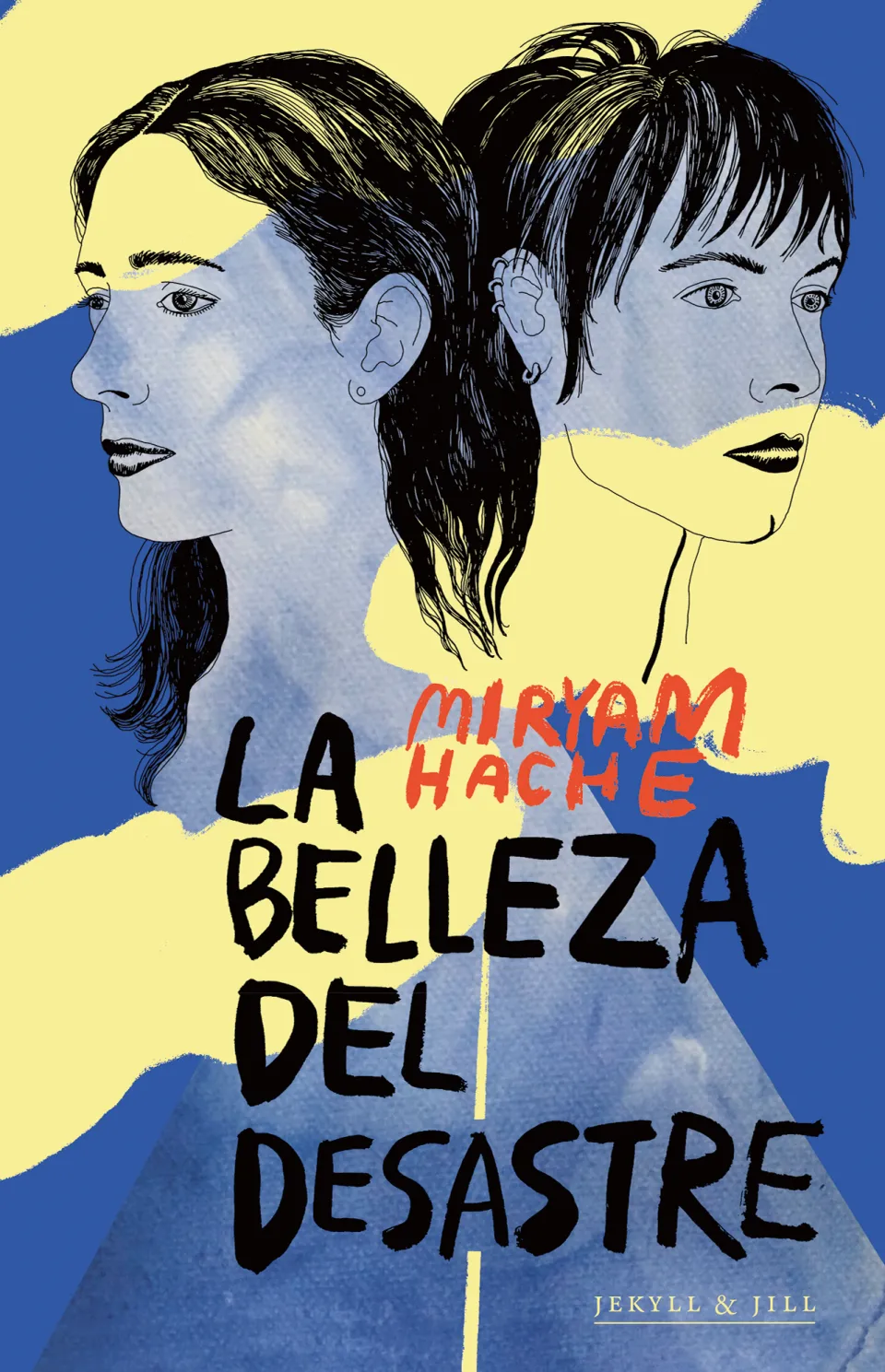
La belleza del desastre is a character-driven psychological drama with a contemporary spiritual dimension, threaded with dark humor. An intimate road trip about friendship, identity, and reinvention in times of uncertainty, where external collapse mirrors the protagonists’ inner transformations.
RELEVANT INFORMATION: Miryam Hache is an Argentine poet, novelist, and cultural manager whose work explores themes such as fragility, desire, fear, and generational uprootedness.
La belleza del desastre holds strong potential as a choral and apocalyptic road movie. With moments of violence, dark humor, and brief dreamlike sequences, the power of the story lies in the psychological depth of its characters and the raw, realistic portrayal of their group dynamics, always under tension between external danger and internal collapse. The journey, the ruined house, the sea, and the final ritual create striking and powerful visual imagery for the screen.
AUDIOVISUAL POTENTIAL: TV Series, Miniseries, Feature Film, TV Movie.
AVAILABLE LANGUAGES: Spanish.
Adquirir los derechos
Para ponerte en contacto con nosotros completa el siguiente formulario y te responderemos en breve.
Error: Contact form not found.
