
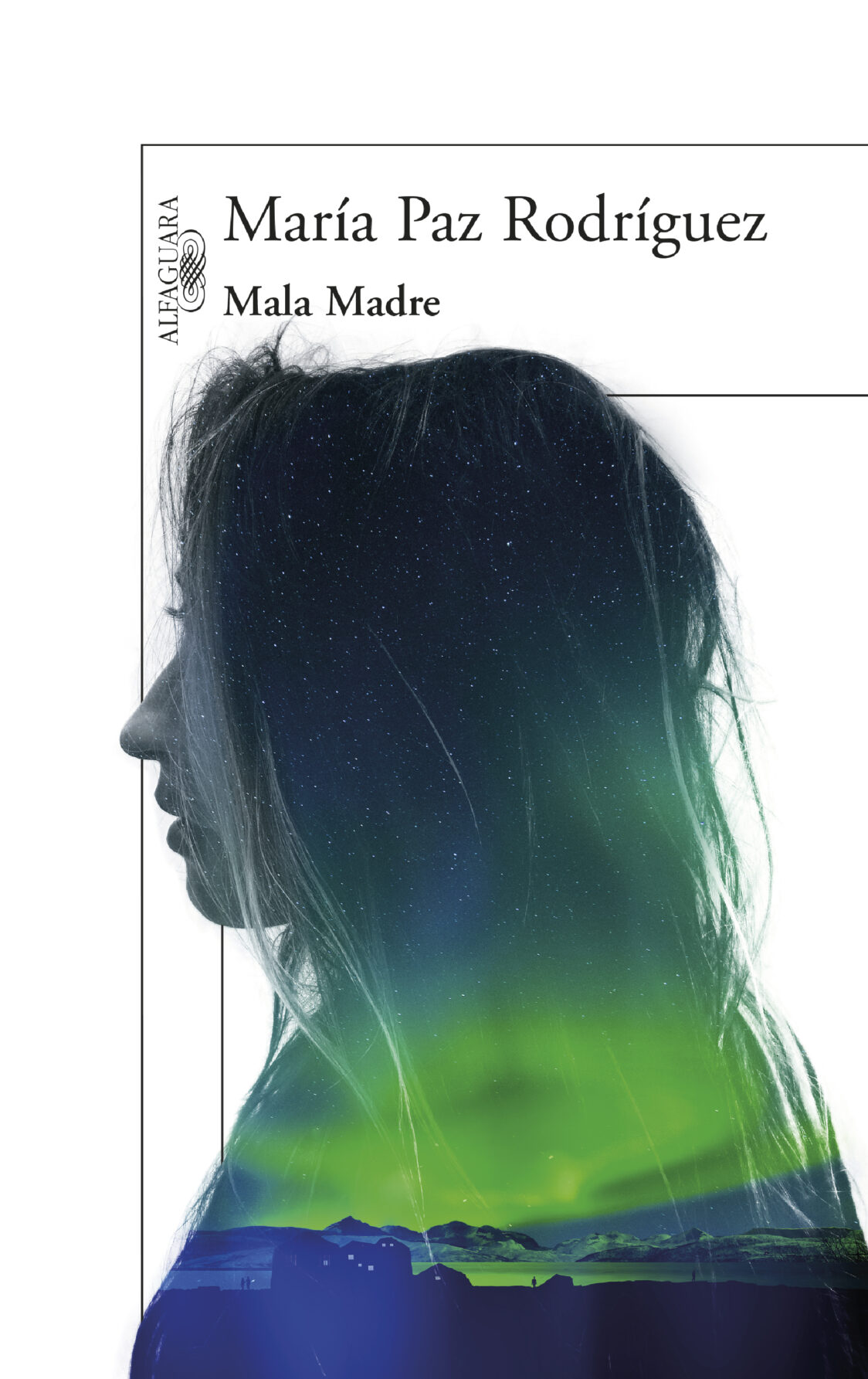
A 76-year-old Chilean woman, exiled and living as an artist under the name María Claro, is forced to confront her past when a visit from her granddaughter triggers an emotional journey through guilt, abandonment, and the price she paid for choosing herself over motherhood.
Amanda Sanfuentes, a 76-year-old Chilean woman living in Iowa under the artistic name María Claro, leads a solitary existence shaped by routine, the grief of losing her husband, and the companionship of Tiny, her young German assistant. The unexpected arrival of her granddaughter Adela, who is researching the family’s history for a novel, sets in motion a painful journey into María’s past—one marked by abandonment, guilt, and a lifelong search for meaning.
From childhood, Amanda grew up in oppressive circumstances. First, she lived in exile with her mother after the Spanish Civil War, and later in Chile, in a household ruled by unmarried aunts who suppressed any spark of independence. Emotionally isolated, she sought refuge in art, literature, and silent observation, gradually forging an identity that rejected the expectations imposed upon her. Her marriage to Bernardo, a respectable but emotionally distant doctor, was an attempt to conform that failed almost from the beginning. Together they had three children—Tomás, Paula, and Anita—but motherhood, despite moments of genuine fulfillment, soon became a burden that left her feeling trapped.
The decisive rupture came with the arrival of Víctor Meller, a charismatic professor who offered an emotional, intellectual, and sensual alternative to her repressed existence. Amanda surrendered completely to the relationship, neglecting her children and allowing a woman known as “La Nena,” part of her bourgeois social circle, to step into her role within the family. When her double life became public and her marriage collapsed, Amanda was pushed to the edge. Standing on a roadside after an emotional breakdown, she made the defining choice of her life: to leave and fully embrace her own freedom, even if it meant disappearing from her children’s lives forever.
In Madrid, Amanda reinvented herself as María Claro, building a new identity through art. Her most significant work, The Bad Mother, is an installation that distills her life story and her guilt into a powerful metaphor about sacrifice, motherhood, and violence. Through her artistic practice and her relationships with Tiny and Adela, María does not seek forgiveness or redemption. Instead, she seeks something more complex: the right to tell her own truth—the story of a woman who could not, or would not, be the mother society expected her to be, and who ultimately chose self-preservation over sacrifice.
RELEVANT INFORMATION: María Paz Rodríguez is a Chilean writer and the author of three novels, including Arca and Mala madre.
Bad Mother is an intimate and heartbreaking novel about survival and the rejection of the roles imposed by family and society: obedient daughter, submissive wife, and self-sacrificing mother. Through a fragmented narrative structure, the novel explores themes such as non-idealized motherhood, guilt, exile, and female freedom.
The novel possesses significant audiovisual potential thanks to the emotional complexity of its protagonist and its nonlinear structure, which alternates between the present and dramatic flashbacks. Combining intimate character study with family and social drama, the story offers a contemporary exploration of guilt, desire, identity, and the cost of freedom. Its richly layered characters and emotionally charged moments make it ideal for adaptation as a television series, miniseries, or feature film.
AUDIOVISUAL POTENTIAL: TV Series, Miniseries, Film, TV Movie
AVAILABLE LANGUAGES: Spanish.
Adquirir los derechos
Para ponerte en contacto con nosotros completa el siguiente formulario y te responderemos en breve.
