
In an elite sporting world where rugby shapes masculinity through violence, humiliation and a code of silence, a young mixed-race man raised among Buenos Aires’ upper class witnesses a gang rape that forces him to confront the very world that shaped him.
José Ignacio Sánchez de la Puente, known as “Mocho,” is a 22-year-old rugby player at Christian Old Boys Rugby Club, one of Buenos Aires’ most prestigious clubs. Before joining its ranks, he worked as an informal tour guide on Florida Street, where he observed and described, with biting irony and unflinching honesty, the profound inequalities of his city. From beggars and cartoneros to wealthy executives, Mocho paints a portrait of a fractured Buenos Aires where wealth and poverty exist side by side without ever truly meeting. This opening does more than establish the setting—it plunges the audience into a world where hypocrisy and indifference have become the norm.
Throughout the novel, Mocho becomes a provocative and unsettling narrator. He reflects on his own identity as the son of a fair-haired Peruvian father and an Argentine mother who has since passed away, in a society that categorizes people according to appearance and origin. Although he insists that he is “not a negro,” he acknowledges that in Argentina the term is used to label the poor rather than racial minorities. This ambiguity forces him to confront both his own privilege and the prejudices he has internalized.
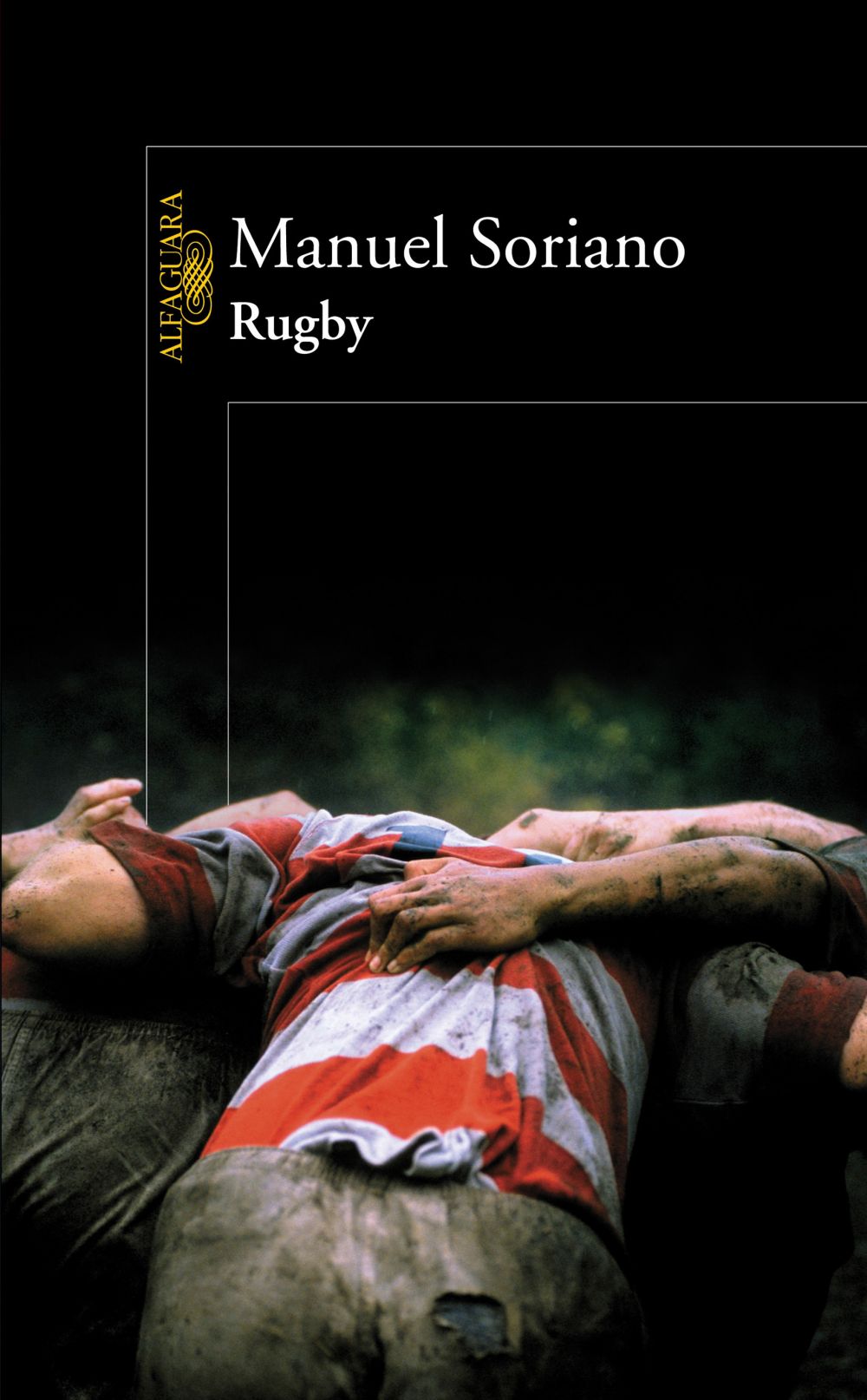
Rugby is the defining symbol of his life: a sport that embodies tradition and values, but also violence, machismo and degrading rituals. Mocho is no star player, but he belongs through family legacy, especially because of his older brother, a former team captain. Through rugby, the novel exposes a closed masculine universe governed by its own codes, hierarchies and silences. This is made painfully clear in scenes such as Fefo’s initiation inside the locker room—a brutal hazing ritual that reveals what is tolerated in the name of belonging.
With a sharp, acidic and uncompromising voice, Mocho lays bare the hidden rules of his world: group humiliations, authoritarian coaches, sexual initiations involving prostitutes, abuse excused as “tradition,” and a male complicity that protects it all. Although he mocks this environment, he also proves incapable of confronting it. As these memories unfold, he recalls parties fuelled by alcohol and misogyny, where excess has long ceased to shock anyone.
Everything falls apart on an October night in 2007. Mocho’s team, the Christians, faces San Roque while Argentina plays in the Rugby World Cup semi-final. Tension fills the air. After losing the match, the traditional “third half”—the post-game gathering shared by both teams—descends into violence. Mocho and his friends meet two young women from a neighbouring working-class district, Carolina and Roxy. Although Mocho feels an immediate connection with Carolina, the night takes a horrifying turn when Roxy, heavily intoxicated, is gang-raped by several players. Mocho witnesses the assault but does nothing to stop it.
The party erupts into chaos when Joel, Roxy’s boyfriend, arrives armed with a pistol. The players overpower him violently, triggering a brutal fight. In a belated attempt to act, Mocho attacks Lucas, one of the rapists, but Lucas responds by shooting him in the abdomen. The version given to the police claims the incident was an attempted robbery carried out by two runaway teenagers. Once again, male solidarity prevails: the code of silence holds, the truth is buried, and no one is held accountable.
From his hospital bed, while everyone around him tries to erase what happened, Mocho begins writing his own account: rugby.doc. A file. A confession. A reckoning. Raw, direct and deeply unsettling, it becomes a story about what people witness, what they choose to remain silent about, and what many would rather forget.
RELEVANT INFORMATION: Manuel Soriano is an Argentine writer and screenwriter, author of several works of fiction and winner of the prestigious Clarín Novel Prize.
Rugby is the story of a masculine world in decline, shaped by violence, inequality and misogyny. The novel offers a lucid exploration of identity, belonging, privilege and prejudice—across race, class and gender—within a deeply fragmented society.
Balancing coming-of-age fiction, psychological thriller and social critique, Rugby delivers a highly emotional narrative driven by mounting tension, a compelling portrait of a generation and profound moral ambiguity. The protagonist’s ironic and disillusioned voice—both cynical and vulnerable—becomes the novel’s driving force, giving the story a distinctive and powerful perspective.
With strong audiovisual potential, the novel lends itself to multiple approaches: it can be adapted as a raw, uncompromising coming-of-age story or as a drama structured like a psychological thriller that builds relentlessly towards a devastating climax. The tension between complicity and silence, guilt and redemption sustains a visually powerful narrative filled with striking contrasts and emotional intensity.
AUDIOVISUAL POTENTIAL: TV Series, Miniseries, Feature Film, TV Movie.
AVAILABLE LANGUAGES: Spanish.
Adquirir los derechos
Para ponerte en contacto con nosotros completa el siguiente formulario y te responderemos en breve.
