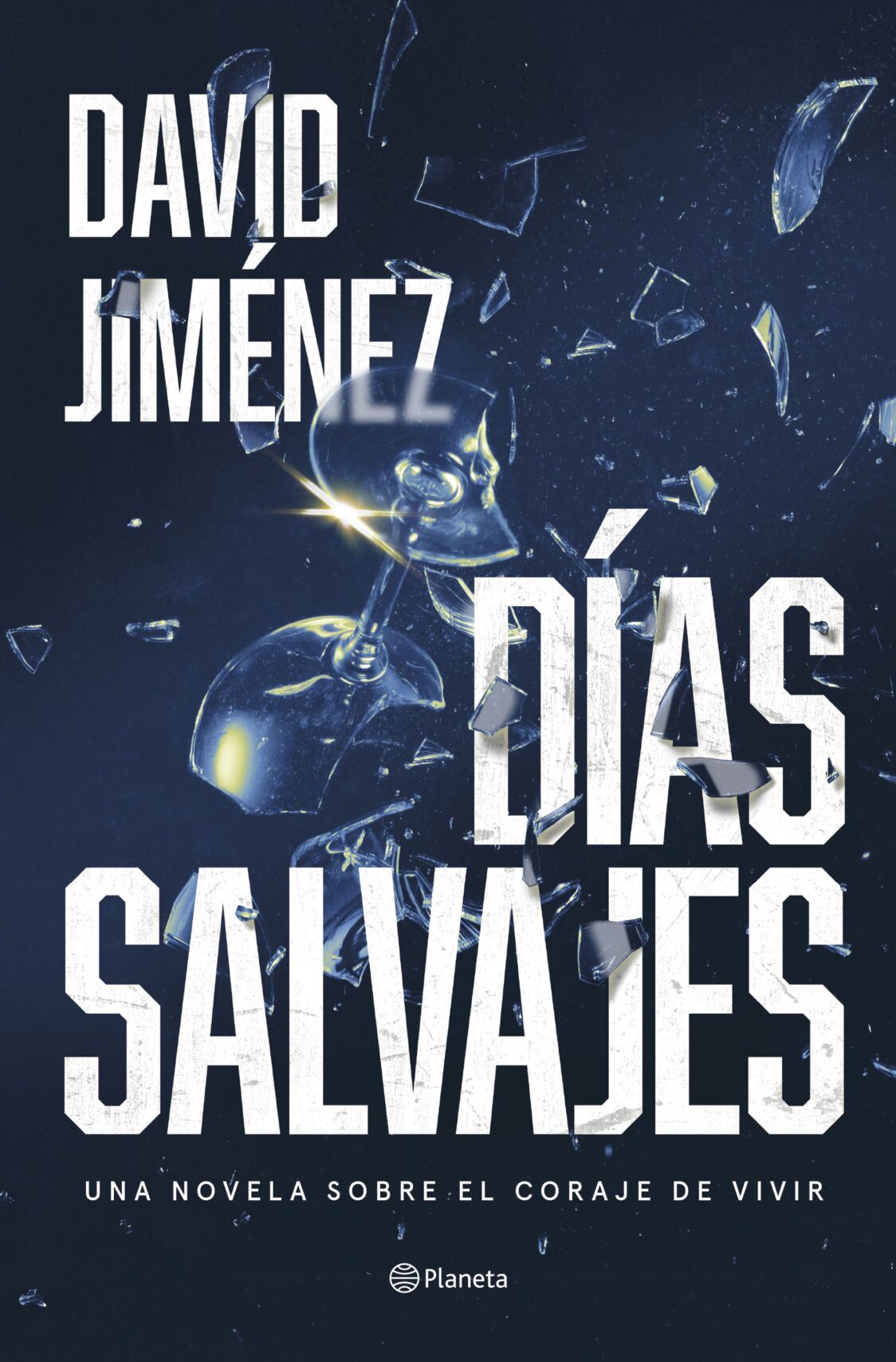
A story based on true events, written by internationally acclaimed bestselling journalist and author David Jiménez. What happens in a society where the justice system protects the guilty? A powerful drama that raises profound moral questions.
In the summer of 2007, during his lavish birthday party, Bosco Zabala—the son of María and Lorenzo Zabala, owners of BanKapital—celebrates at his family’s mansion in La Moraleja, one of Madrid’s wealthiest neighbourhoods, surrounded by friends, alcohol, drugs and luxury. At the same time, Marta Delgado, a medical student who lives with her father Luis in a modest apartment in Villaverde, a working-class district of Madrid, gets ready to leave for her job as a supermarket cashier. Their worlds could not be more different, yet they are about to collide with devastating consequences.
After the party, Bosco convinces his best friend Iván to continue the night at a nightclub. They set off in the brand-new Aston Martin Bosco’s parents have given him. Drunk and high, Bosco drives the wrong way around a roundabout and crashes head-on into Marta’s car. Marta and Iván are killed instantly. Bosco survives.
The accident shocks the country. At first, the media portrays it as a tragic accident involving young people, but the truth soon emerges: Bosco was driving under the influence of alcohol and drugs, travelling at over 200 km/h, and was entirely responsible. After a highly publicised trial, he is sentenced to eight years in prison. However, his powerful family quickly mobilises its political connections to protect him. He serves only seven months before receiving a government pardon, granted at a time when BanKapital’s financial interests were closely tied to the economic crisis.
Devastated by the failure of the justice system, Marta’s father Luis begins to contemplate taking revenge into his own hands. Although he carefully plans his retaliation, he ultimately cannot bring himself to carry it out. Instead, he channels his grief into leading a neighbourhood campaign against a new real estate development promoted by BanKapital, the very bank chaired by Bosco’s mother. In a symbolic gesture of reparation—insufficient, yet meaningful—the Zabala family abandons the project and builds a public park on the site, naming it after Marta Delgado. For the first time since her death, Luis slowly begins to make peace with the past and find the strength to move forward.
RELEVANT INFORMATION: David Jiménez (Barcelona, January 11, 1971) is a Spanish journalist and author. He has worked as a war correspondent, foreign correspondent, editor of El Mundo, and columnist for The New York Times. He has written numerous essays, novels and travel books that have been translated into several languages. In addition to receiving multiple awards for his journalism, he was also honoured as an author with the Camino del Cid International Travel Literature Prize.
Based on true events, Wild Days is a moving and unflinching novel about grief, guilt, friendship and the struggle against oblivion, while also portraying the optimism and excess of Spain in the 2000s. David Jiménez crafts a fast-paced yet deeply human story in which impunity, pain and inequality intertwine with compassion, love and second chances. The novel confronts two opposing worlds in a political and social conflict that ultimately explores deeply personal moral dilemmas: how to move forward after an irreparable loss, how to live with guilt, and how to rebuild a life when everything has fallen apart.
The novel also has outstanding adaptation potential as a miniseries. The contrast between the affluent world of La Moraleja and the working-class neighbourhood of Villaverde offers rich visual and narrative possibilities, allowing two parallel storylines to converge in a devastating tragedy. Its ensemble cast, generational portrait and underlying social conflict provide compelling dramatic arcs and characters with genuine emotional evolution. The tone naturally balances intimate drama with sharp social commentary.
AUDIOVISUAL POTENTIAL: In development.
AVAILABLE LANGUAGES: Spanish.